The central city of Da Nang is targeting annual gross regional domestic product (GRDP) growth of 11–11.22% in 2026, but must achieve 12.8–13.6% growth in the fourth quarter as the rainy season and a tourism slowdown put pressure on key economic sectors.
The revised target sets a demanding pace for the city, the largest centrally-governed city in the central region. After GRDP grew 10.31% in the first nine months, Da Nang must accelerate sharply in the final three months, when adverse weather can disrupt construction and dampen tourism and service activities.
Statistics show GRDP expanded 11.83% year on year in the third quarter, placing Da Nang seventh among Vietnam’s 34 provinces and centrally governed cities for quarterly growth. Its nine-month growth rate ranked ninth nationwide and third among centrally governed cities.
Tourism and construction face a demanding year-end target
Services and tourism account for more than 55% of Da Nang’s economic structure, making their performance critical to the city’s year-end target, according to Tran Thi Thanh Tam, director of the Da Nang Department of Finance. Tourism, services and construction will remain the main focus of efforts to sustain growth.
The city plans to maintain tourism promotion and organise events, festivals and night-time economic activities tailored to rainy-season conditions to attract visitors. It also intends to support businesses in slower-growing industries, including electricity, wastewater and waste management, and mining, while stimulating commercial and service activities.
Tam highlighted the need to help large industrial producers access capital and expand operations, while removing infrastructure bottlenecks affecting industrial clusters.
“Tourism and services must be treated as a top priority, with all sectors working proactively to meet their growth targets,” she said. Other measures include stimulating consumption, expanding e-commerce, improving distribution infrastructure and strengthening domestic markets. The city will also help local businesses place their products in distribution channels nationwide, enhance production capacity and build stronger brands for Da Nang products.
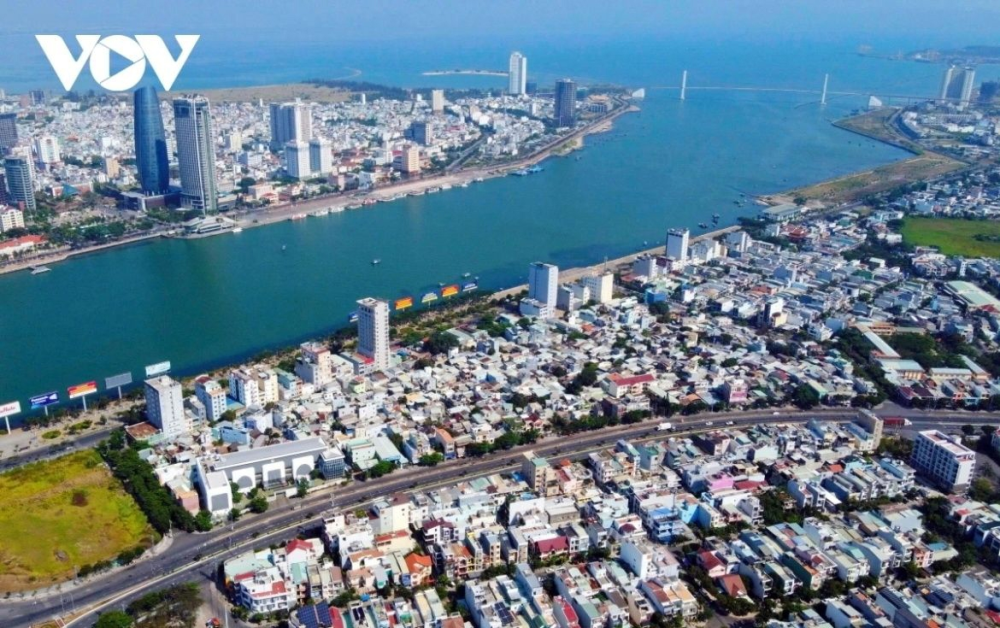
Under the revised fourth-quarter scenario, the industry and construction sector must grow by 14–14.5%, with construction alone required to expand by 25–26%. Services are also expected to grow by 14–14.5%.
Tran Van Vu, head of the Da Nang Statistics Office, pointed to the seasonal obstacles facing the city. Over the past five years, including the period following the provincial merger, fourth-quarter economic growth has consistently been lower than in preceding quarters and has never reached double digits, he said, attributing the pattern largely to the rainy season. The challenge is compounded by the low season for tourism and services, which account for a substantial share of the local economy.
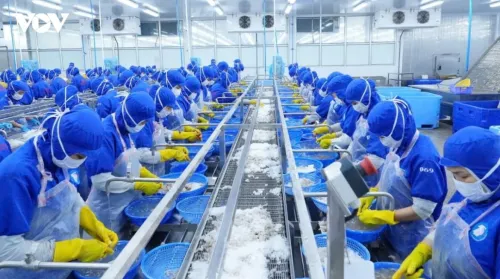
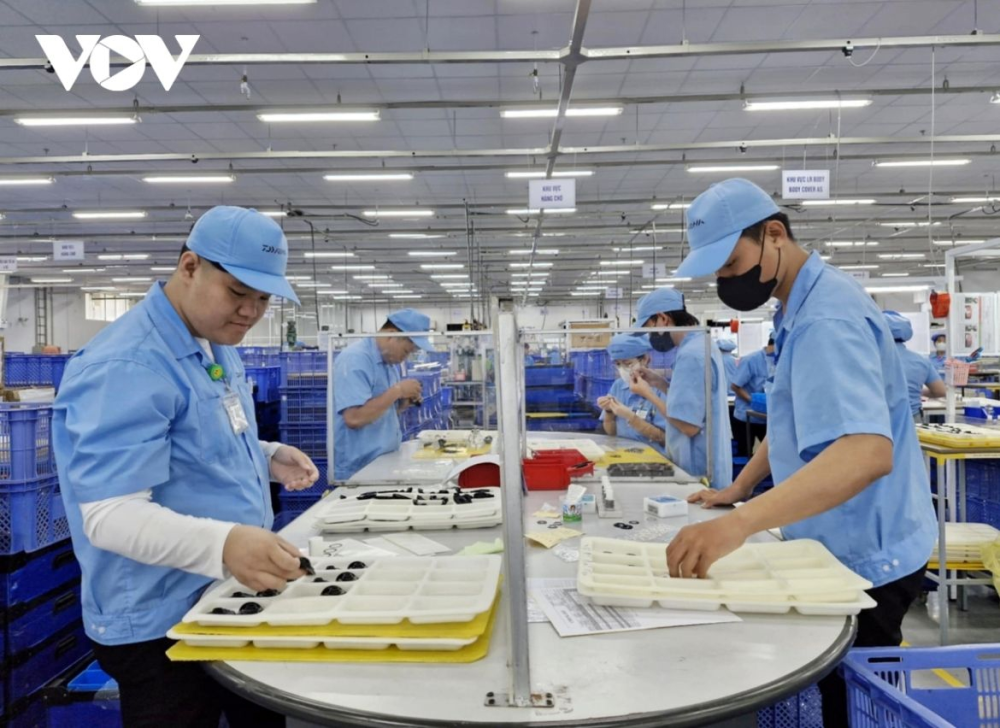
Industry could help offset some of this pressure. Many factories and industrial facilities continue to operate relatively steadily during the rainy months, creating scope for industrial production to generate added value while weather-sensitive sectors face disruption.
“The focus in the fourth quarter must be on industry,” Vu said, identifying labour shortages – particularly a scarcity of general workers – as a major constraint.
Clearing project bottlenecks to unlock growth
Alongside efforts to boost output, Da Nang is seeking to accelerate projects held back by legal, land-related and site-clearance problems. The city has resolved legal obstacles affecting nearly 2,000 projects and land plots, but relatively few have progressed to implementation and begun generating economic output.
Outstanding difficulties include the complexity of retrospectively determining land prices, a shortage of qualified consultancy firms and challenges in determining investors’ financial obligations. Resolving these issues is seen as essential to bringing more projects into implementation and supporting construction and investment activity.
Ho Ky Minh, Permanent Vice Chairman of the Da Nang People’s Committee, noted the fourth-quarter growth plan would be implemented alongside measures to prevent and respond to natural disasters, ensuring the safety of residents, infrastructure and production during the storm season.
The city will monitor growth by sector, enterprise and individual project, prioritising key products, major businesses and projects capable of generating added value before the end of the year. It will also seek to unlock growth potential in processing and manufacturing, electricity generation, mining, finance and banking, and real estate.
Minh added that the city would classify businesses’ difficulties and organise working groups to engage directly with major revenue earners, exporters, large contributors to the state budget and enterprises experiencing slow growth.
To track progress towards the target, the municipal administration will regularly review the contributions of major sectors, including services, industry, construction and agriculture, in coordination with the municipal Statistics Office, the Department of Finance, other departments and central government agencies based in the city.
Public investment disbursement will also remain a priority, with the city reallocating capital within project management boards and at commune level to improve implementation. The chairman of the municipal People’s Committee will direct working groups to address difficulties facing businesses whose revenue, exports and budget contributions make them significant drivers of local growth.
With the final quarter coinciding with adverse weather and a seasonal slowdown in tourism, Da Nang’s ability to meet its annual target will depend on accelerating industrial output and construction, resolving persistent project bottlenecks and ensuring that investment and business activity translate into economic growth before the end of 2026.